Indian Fabric Trends for 2027: Early Signals Designers Should Watch
Indian Fabric is entering an exciting new chapter as designers increasingly look toward natural materials, heritage craftsmanship, expressive prints, tactile surfaces, and versatile textiles. While 2027 trends are still emerging, early fashion and textile forecasts already point toward a stronger appreciation for authenticity, comfort, craftsmanship, and fabrics with visual and tactile character.
For designers planning upcoming collections, these early signals can provide valuable direction when selecting Indian cotton fabric, hand block print fabric, yarn-dyed textiles, heritage prints, and other traditional Indian textiles.
Here are the Indian fabric trends worth watching as we move toward 2027.
1. Natural Fibers Will Remain Important
One of the clearest signals for 2027 is continued interest in natural and breathable materials.
Current textile forecasts highlight natural fibers, including cotton and linen, alongside lightweight and tactile fabrications. Industry reporting also points to growing consumer interest in natural-fiber clothing, although sustainability claims should be considered carefully and supported by credible sourcing and certifications where applicable.
For designers, this creates opportunities for fabrics that combine comfort, breathability, texture, and everyday wearability.
Indian cotton fabric is particularly versatile because it can be developed into dresses, shirts, skirts, kaftans, pajamas, Kimonos, quilting projects, and home textiles.
As designers plan 2027 collections, lightweight cotton, cotton blends, poplins, canvas, textured weaves, and other breathable materials are worth watching.
2. Heritage Indian Prints Will Meet Contemporary Design
Traditional Indian craftsmanship is not disappearing—it is being interpreted for modern wardrobes.
The 2027 fashion outlook increasingly emphasizes authenticity, craftsmanship, and the visible human touch. Forecasting from NIFT and international textile platforms is also connecting future fashion with cultural heritage and evolving consumer behavior.
This creates an opportunity for Indian fabric designs that combine traditional techniques with contemporary layouts.
Think:
-
Hand block prints with modern geometric arrangements
-
Traditional floral motifs in unexpected color combinations
-
Paisley patterns with simplified layouts
-
Heritage-inspired borders on contemporary cotton
-
Small-scale motifs designed for modern silhouettes
-
Traditional Indian prints adapted for global boutique collections
The appeal is not simply nostalgia. Designers can use traditional Indian textile techniques while creating products that feel modern, wearable, and internationally relevant.
3. Hand Block Printing Will Continue to Stand Out
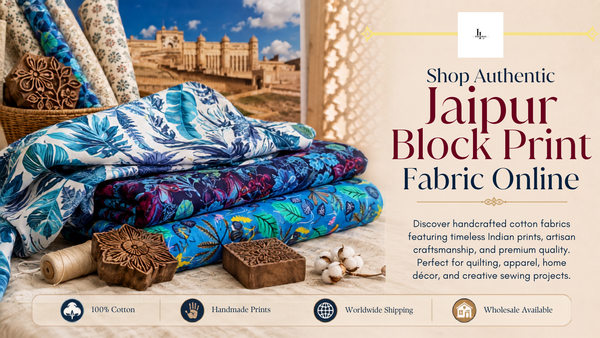
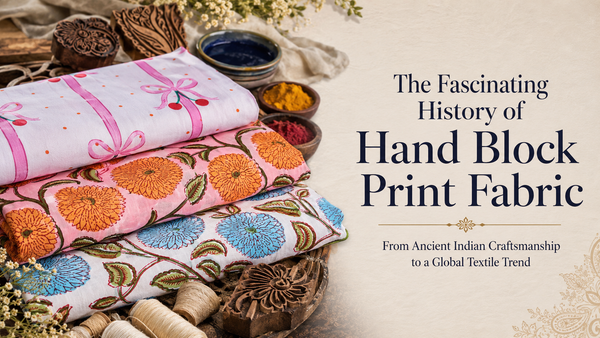
Among the most distinctive Indian textile techniques, hand block printing has a natural advantage in a market increasingly interested in craftsmanship.
The human irregularities of a hand-printed textile can become part of its visual identity. Current 2027 forecasting emphasizes imperfection, craft, patina, and visible human involvement as important counterpoints to increasingly machine-generated and digitally polished aesthetics.
This makes hand block print fabric especially interesting for designers who want collections with a strong artisanal story.
Floral, botanical, paisley, geometric, and traditional Indian motifs can all be interpreted through block printing while maintaining the character of handmade production.
For boutique brands, this can also help create collections that feel more distinctive than generic mass-market prints.
4. Botanical and Nature-Inspired Prints Are Worth Watching
Nature continues to provide an enormous source of inspiration for textile design.
Current 2027 forecasts point toward organic prints, dreamy florals, greenery-inspired palettes, and expressive botanical influences.
For Indian fabric collections, this direction fits naturally with existing textile traditions.
Designers can explore:
-
Botanical leaves
-
Wildflowers
-
Tropical foliage
-
Floral vines
-
Small-scale garden motifs
-
Stylized branches
-
Nature-inspired abstract patterns
These designs work particularly well on cotton because they can transition across dresses, shirts, skirts, kaftans, scarves, quilting projects, and home décor.
Rather than relying exclusively on oversized florals, designers may also experiment with smaller repeat patterns that provide greater versatility.
5. Checks and Stripes Will Bring Structure to Soft Cotton
While florals and organic motifs create softness, checks and stripes offer a contrasting direction.
Spring/Summer 2027 forecasting has highlighted subtle checks and stripes as part of several future fabric stories, alongside comfortable, easy-to-wear materials.
This is particularly relevant for Indian textile manufacturers because yarn-dyed fabrics can create visual interest without depending on surface printing.
Expect designers to explore:
-
Classic checks
-
Narrow vertical stripes
-
Multicolor checks
-
Windowpane patterns
-
Irregular stripes
-
Tonal woven patterns
Yarn-dyed cotton fabric can be especially useful for shirts, dresses, lightweight jackets, table linens, cushion covers, and other products where pattern integration into the weave adds durability and character.
6. Texture Will Matter as Much as Print
One of the more interesting developments in upcoming fabric trends is the increasing importance of tactility.
Current 2027 forecasting describes a market divided between lightweight, fluid materials and more substantial, lived-in textures. Other industry forecasts highlight tactile surfaces, slub effects, canvas, seersucker, poplin, and textured cotton constructions.
This means designers may increasingly ask not only, “What does this fabric look like?” but also, “How does it feel?”
For Indian fabric collections, texture can come from:
-
Slub cotton
-
Seersucker
-
Woven checks
-
Canvas
-
Textured cotton
-
Embroidery
-
Quilted surfaces
-
Handcrafted finishes
Texture gives even a relatively simple color palette more depth.
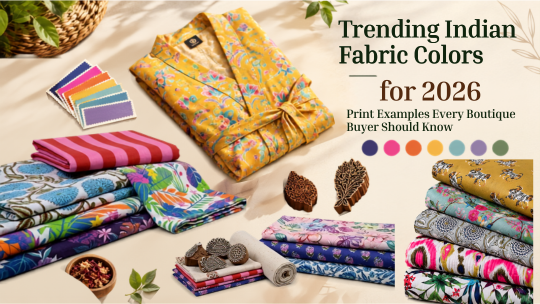
7. Color Stories Will Become More Flexible
Rather than relying on one dominant color, 2027 collections are likely to embrace a broader combination of understated and expressive shades.
International SS27 forecasting includes soft neutrals, off-whites, greenery, yellow, aqua, blues, and more expressive color combinations. Other trend reporting points toward playful color and print contrasts.
For Indian fabric, this opens the door to combining familiar craft traditions with updated palettes.
Designers might pair:
The key opportunity is not simply following a color forecast. It is adapting emerging color directions to India's established textile vocabulary.
8. Responsible Textile Production Will Become More Important
Sustainability is likely to remain part of the textile conversation in 2027, but designers and brands will need to move beyond vague environmental claims.
India's Ministry of Textiles has highlighted initiatives around eco-friendly textiles, natural dyes, organic and bio-based fibers, chemical management, and sustainability-related textile development.
For designers, responsible sourcing can involve asking practical questions:
-
What is the fiber composition?
-
Where was the fabric produced?
-
Which printing or dyeing process was used?
-
Are relevant certifications available?
-
Can the supplier provide production information?
-
Is the fabric suitable for the intended end use?
Transparency can become an important part of the value proposition of Indian textiles.
9. Versatile Fabrics Will Appeal to Independent Designers
Another important signal for 2027 is versatility.
Independent designers and boutique brands often need fabrics that can work across multiple products rather than being limited to one garment category.
A well-designed Indian cotton fabric can potentially be used for apparel, accessories, quilting, children's products, and home décor.
This flexibility is especially useful for small and growing brands that want to test collections without committing to large volumes of highly specialized materials.
Wholesale suppliers offering different prints, colors, fabric weights, and production options can therefore become valuable partners for designers developing seasonal collections.
What Should Designers Look for in Indian Fabric for 2027?
When sourcing fabric for upcoming collections, designers should look beyond a trend label and evaluate the fabric itself.
Consider:
-
Fiber composition – Choose materials appropriate for the intended product.
-
Fabric weight – Lightweight cotton and heavier canvas serve very different purposes.
-
Print scale – Small repeats can be versatile, while large motifs can create statement pieces.
-
Color compatibility – Consider how the fabric will work with the wider collection.
-
Craftsmanship – Handmade techniques can add individuality and visual character.
-
Production requirements – Check minimum quantities, lead times, and repeat availability.
-
Supplier transparency – Ask for accurate information about materials and production.
The strongest 2027 collections may not come from following every trend. They may come from selecting the right trend signals and translating them into a distinctive design language.
The Future of Indian Fabric Looks Rooted in Craft and Adaptability
The early signals for 2027 suggest an interesting balance: heritage and modernity, simplicity and expression, comfort and craftsmanship.
Natural fibers, tactile surfaces, botanical prints, checks, stripes, hand block printing, and heritage-inspired designs all have potential to shape future collections. At the same time, designers are becoming more interested in where materials come from, how they are produced, and what makes them distinctive.
For designers and boutique buyers, Indian Fabric offers an especially broad creative vocabulary. From breathable cotton and hand block prints to yarn-dyed checks and textured textiles, Indian craftsmanship can be adapted to contemporary fashion without losing its cultural character.
As 2027 approaches, the opportunity is not simply to follow trends. It is to combine emerging global directions with India's rich textile heritage and create fabrics—and collections—that feel authentic, versatile, and relevant for the next generation of customers.
Frequently Asked Questions
1. What Indian fabric trends are expected for 2027?
Early 2027 signals include natural fibers, breathable cotton, heritage-inspired prints, hand block printing, botanical motifs, checks, stripes, tactile textures, and more transparent approaches to textile sourcing.
2. Is Indian cotton fabric suitable for modern fashion collections?
Yes. Indian cotton fabric is highly versatile and can be used for dresses, shirts, skirts, kaftans, pajamas, children's clothing, accessories, quilting, and selected home-textile applications. Its range of prints, weights, and finishes makes it suitable for many design directions.
3. Why are hand block print fabrics relevant to 2027 trends?
Hand block print fabric combines traditional craftsmanship with distinctive visual character. Current 2027 trend forecasts emphasize authenticity, human craftsmanship, imperfection, and tactile materials, making artisanal textiles particularly relevant for designers seeking differentiated collections.
Leave a comment